Naldã¢â‚¬â„¢s Fries Are Made With Beef Tallow
Nosotros put together a data-driven keto food listing PDF that relies on insulin alphabetize, nutrient density, and satiety algorithm to requite the ultimate food listing. You can find a printable pdf at the end of the commodity.
- This identifies the about ketogenic foods using the insulin alphabetize of food.
- Ketosis occurs when there is a lack of oxaloacetate from non-fibre carbohydrate and protein. When this happens, our insulin levels drop, and our body switches to burn down fatty in the ketogenic pathway.
- The food insulin alphabetize data indicates that our insulin response to food is best predicted when we consider, not merely the carbohydrate, but also the protein and fibre content of the food we eat.
- This improved understanding can help us prioritise foods with a lower insulin load, more accurately calculate our insulin dose.

Insulin alphabetize of food
The initial enquiry into the nutrient insulin alphabetize was detailed in a 1997 paper An insulin index of foods: the insulin need generated by chiliad-kJ portions of mutual foods by Susanne Holt, Jennie Brand-Miller and Peter Petocz who tested the insulin response to thirty-eight dissimilar foods.
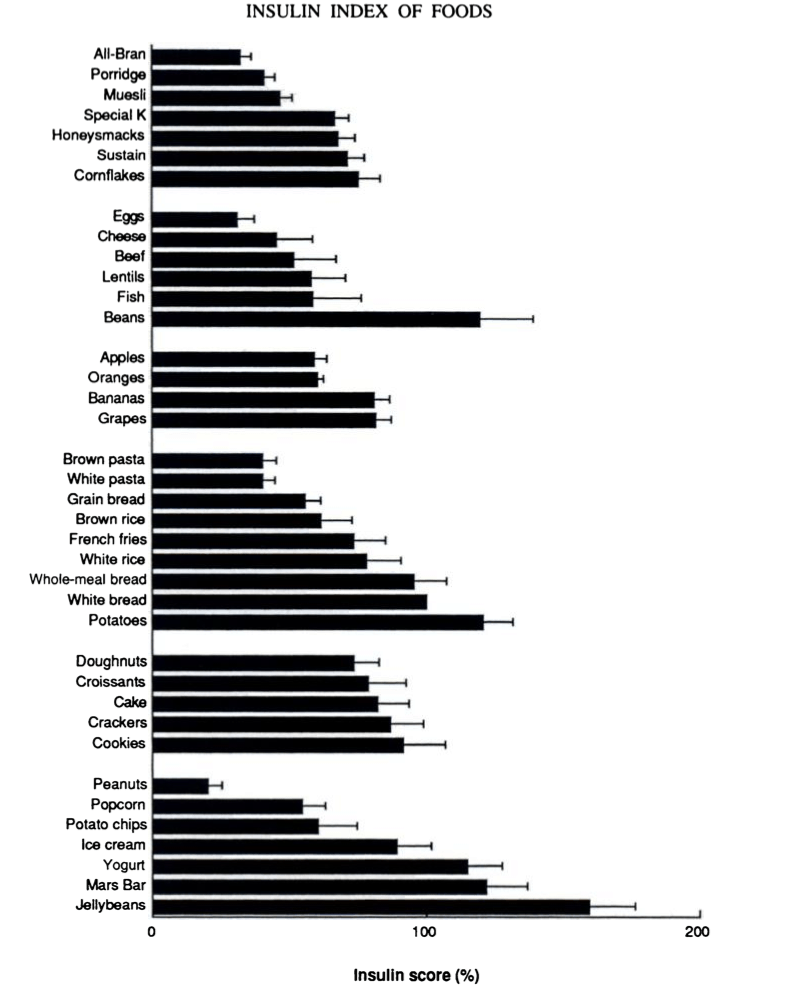
The insulin index of food score of various foods was adamant by feeding 1000kJ (or 239 kcal) of unlike foods to non-diabetic participants and measuring their insulin response over three hours. This was then compared to the insulin response to pure glucose (which is assigned a value of 100%) to go far at a "food insulin index" value for each food.
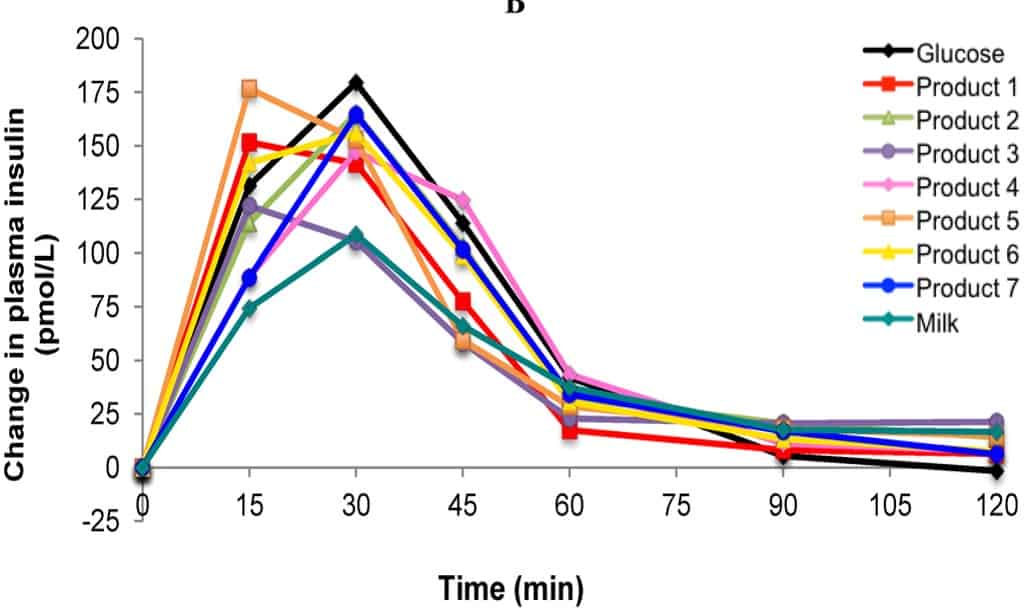
Unfortunately, due to the way the data was presented and the limited amount of foods that had been tested it was hard to make sense of this information in any applied sense.
Notwithstanding, considering how significant this information could be for people trying to manage their insulin levels (due east.1000. insulin-dependent diabetics and people using therapeutic ketosis for the management of conditions like epilepsy, Alzheimer'due south, Parkinson, cancer etc.) I was surprised that there hadn't been much farther research or discussion on the topic. I establish a few references and mentions in podcasts, but no one was quite sure what to practice with the information, mainly considering merely a small number of foods been tested.
Latest insulin index data
After doing a bit more digging, I came beyond a 2014 PhD thesis from the Academy Of Sydney titled Clinical Awarding of the Food Insulin Index to Diabetes Mellitus (Kirstine Bell) which independent a more extensive listing of foods that had now been tested.
With this boosted data perhaps we can brand more sense of the various factors that affect insulin, the master regulating hormone of our metabolism?
I plotted the carbohydrates versus the insulin response of foods for more than than one hundred foods. Although our insulin response is loosely correlated with the carbohydrate content of our food, nosotros tin can see that high protein foods such as steak, tuna and fish notwithstanding require a significant corporeality of insulin.
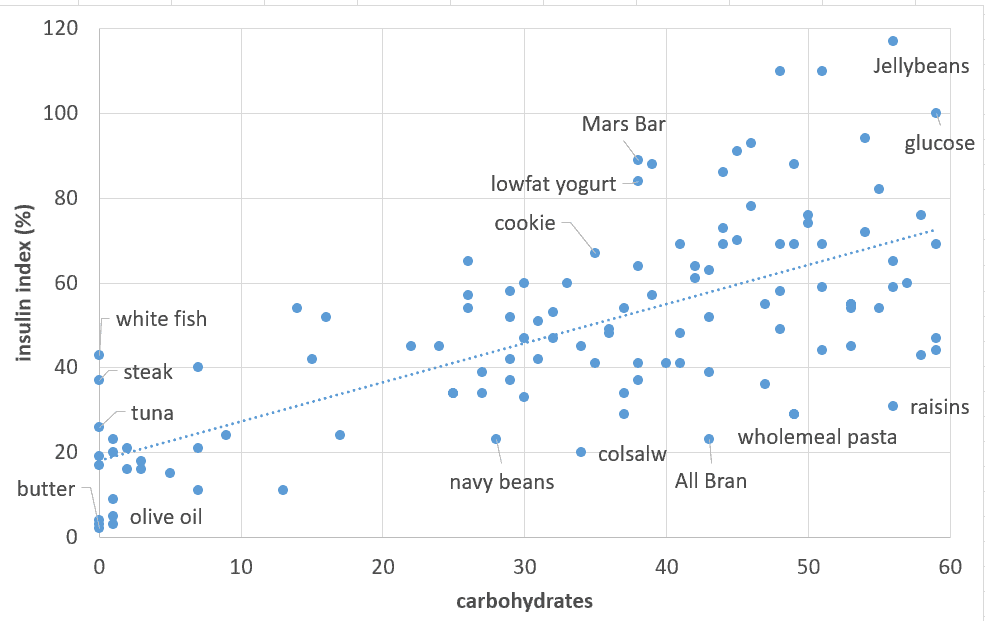
I ran some analysis on the data and found that we secrete about one-half as much insulin in response to protein compared to carbohydrate. We get the best correlation when we assume that indigestible fibre does non heighten insulin.
Interestingly, fructose only requires nearly a quarter of the insulin as carbohydrate. It is mainly processed directly in the liver, however about a quarter of the fructose is converted to glucose via gluconeogenesis.
In one case we correct for poly peptide, fibre and fructose, we get a much amend prediction of the insulin response to food compared to sugar alone.
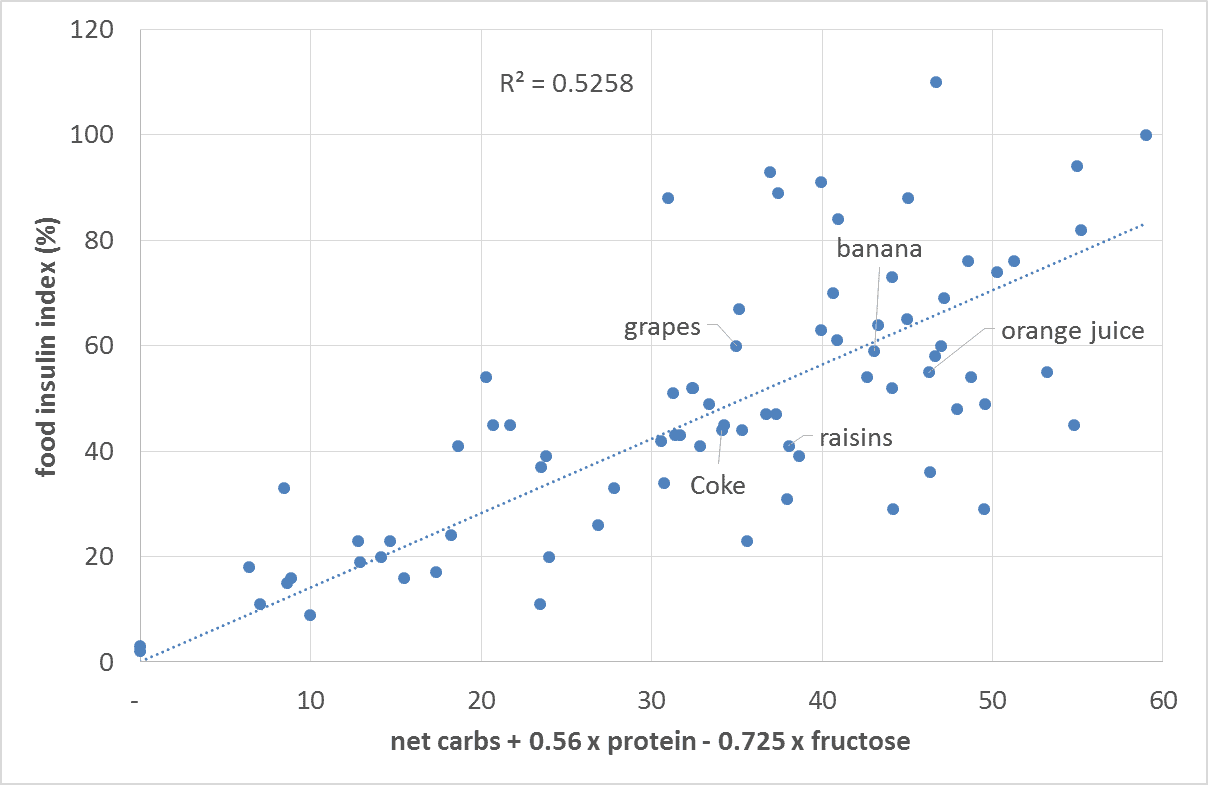
People wanting to follow a ketogenic diet will desire to eat foods that prevarication more than towards the bottom left of this chart. Using this understanding, we can also calculate the insulin load of our food. We can besides estimate the proportion of the energy in our diet that requires insulin to metabolise or the "the proportion of insulinogenic calories".
Possible applications
Insulin is non a trouble at healthy levels. However, we are understanding more than and more that excess insulin (e.g. hyperinsulinemia, insulin resistance, Type 2 diabetes) is highly problematic, maybe every bit much or more than high blood glucose levels. Many of our modern metabolic diseases seem to exist closely correlated with our blood glucose command (e.1000. diabetes, obesity, heart illness, stroke, cancer).
Agreement how to more than accurately calculate our insulin response to nutrient could enable u.s. to manage our diet better to avoid elevated blood glucose and hyperinsulinemia.
The biggest challenge for someone with Type 1 Diabetes (like my wife) occurs when y'all crave a large dose of insulin to address a high blood glucose level that is caused by eating not-fibre carbohydrates and big amounts of protein. The first logical step for someone managing diabetes is to reduce the insulin load of their diet so they tin can stabilise their
A more accurate understanding of insulin load can also help people with diabetes more accurately calculate their insulin dose or people trying to manage weather like cancer or epilepsy through a therapeutic ketogenic nutrition.
For the rest of the states who are somewhere on the insulin resistance scale, beingness able to calculate the insulin load of our diet will enable us to enable our pancreas to keep with our diet and maintain good for you blood glucose levels.
The Analysis of the nearly ketogenic diet foods
Listed below are the most ketogenic foods. I accept included some other parameters that may exist of interest:
- Free energy density – foods that comprise loftier levels of fibre and water take a depression energy density (i.e. calories per 100g) and volition tend to brand us full with fewer calories.
- Pct of insulinogenic calories – this is the proportion of the energy in the food that volition require insulin to metabolise.
- Insulin load – foods such as non-starchy vegetables have a college pct of insulinogenic calories, merely because of their low free energy density will accept a very low insulin load per 100g of nutrient, meaning that you volition need to eat a lot of that detail nutrient for it to bear upon your blood glucose or insulin significantly.
- Net carbohydrates – these are the digestible carbohydrates that will affect your blood glucose levels and insulin that remain later you account for the indigestible fibre.
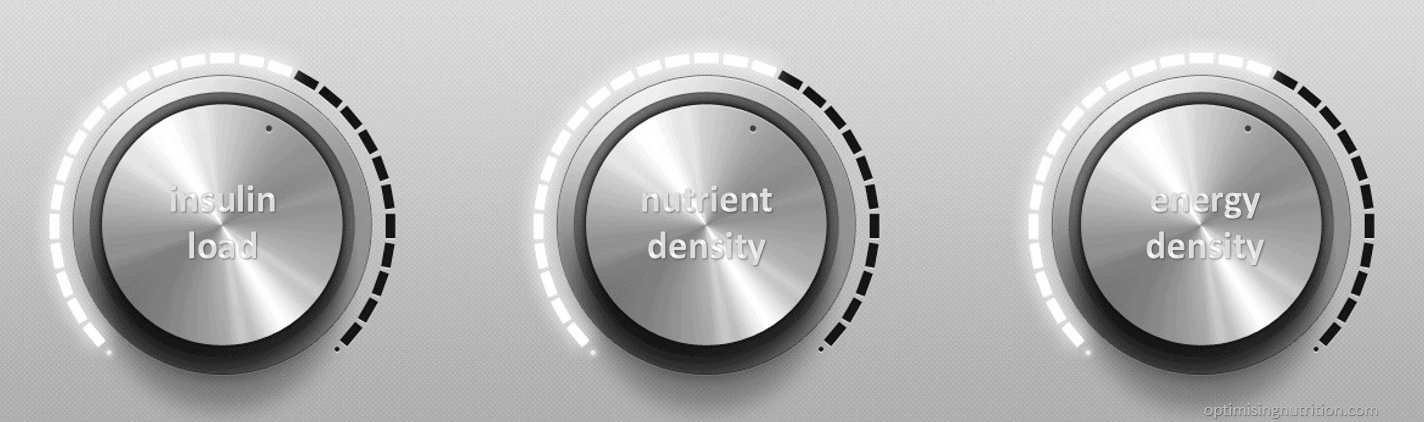
The corporeality you need to prioritise each of these parameters depends on a range of considerations including your claret glucose control and your weight loss goals. Forth with the insulin response to different foods, food density and energy density are other parameters we can utilise to optimise our food choices.
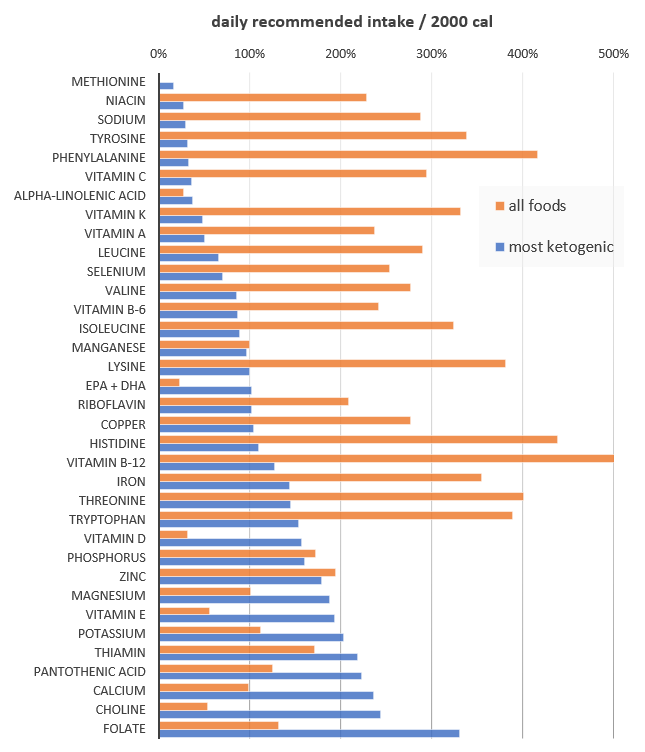
The nautical chart beneath shows the nutrients provided by the most ketogenic foods in comparison to the USDA foods database. Nosotros can see that at that place are quite some nutrients that are less available in the nigh ketogenic foods compared to the average of the foods that unremarkably available. While it is valuable to manage the insulin load of our diet, it is besides important to maximise the food density of our food equally much as nosotros can while all the same maintaining excellent blood glucose levels.
The Nutrient Optimiser has been designed to aid you manage both the insulin load and the nutrient density of the foods you lot eat to enable you to stabilise your blood sugars while getting the micronutrients you need and maximise satiety. I invite you to get your gratuitous Nutrient Optimiser report to go your personalised list of foods suited to your goals and situation.

The most ketogenic foods
I have sorted the foods below by insulin load which volition be useful if y'all are looking for foods to help you manage the short term insulin load of your diet. Focusing on foods with a low per centum of insulinogenic calories will exist useful if you are aiming for a high fatty therapeutic ketogenic diet. Focusing on foods with a low insulin load may exist more useful if you desire to lose weight and use some of your torso fat for fuel.
eggs
Eggs are a staple for low carbers, ketogenic dieters and diabetics.Not only are they nutritious they are besides depression in carbohydrates.

| food | % insulinogenic | insulin load (g/100g) | calories/100g |
| egg yolk | 18% | 12 | 275 |
| whole egg | 30% | 10 | 143 |
| egg white | 74% | nine | 52 |
The egg white is college in poly peptide and hence more than insulinogenic. At the same fourth dimension the free energy density (calories/100g) of the egg white is lower, and hence the insulin load per 100g for the egg white is lower.
dairy
Some people believe that red meat and dairy are uniquely insulinogenic. However, my reading of the food insulin alphabetize data is that in that location is nothing special about these foods that aren't explained past their sugar, protein and fibre content.

Dairy foods typically have a loftier energy density. This is great if you're a growing baby, an athlete trying to replenish energy or a bodybuilder trying to spike insulin for hypertrophy. High palatability and loftier free energy density are not a expert combination if you lot're trying to lose weight.
cheese

| food | % insulinogenic | cyberspace carbs/100g | insulin load (g/100g) | calories/100g |
| cream cheese | 10% | 4 | 8 | 348 |
| cottage cheese | 38% | 3 | 9 | 93 |
| ricotta cheese | 25% | 3 | 11 | 174 |
| feta cheese | 22% | 4 | xiv | 265 |
milk and cream
Milk has a higher proportion of insulin calories compared to cheese. Butter and cream have a lower insulin load and proportion of insulinogenic calories.
| food | % insulinogenic | internet carbs/100g | insulin load (1000/100g) | calories/100g |
| butter | 0% | 0 | 1 | 734 |
| cream | 5% | 4 | 5 | 431 |
| goat milk | forty% | four | 7 | 69 |
| full cream milk | 44% | 5 | 7 | 65 |
yoghurt
Total fat plain Greek yoghurt has the lowest percentage of insulinogenic calories while the sweetened and low-fatty options are extremely insulinogenic.
| food | % insulinogenic | net carbs/100g | insulin load (yard/100g) | calories/100g |
| Greek Yoghurt | 27% | 6 | 9 | 130 |
| plain depression-fat yoghurt | 69% | vii | eleven | 63 |
| skim milk yoghurt | 86% | viii | 12 | 55 |
| Low-fat fruit yoghurt | 93% | 19 | 22 | 95 |
fruit
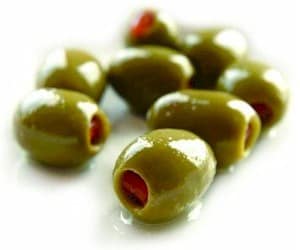
Information technology's interesting to note that there are only a scattering of fruits with a low percentage of insulinogenic calories (i.due east. olives and avocados). Even so, some fruits similar oranges have a lower insulin load because of their low energy density and therefore may not spike your claret carbohydrate equally much as dates or raisins which have a loftier proportion of insulinogenic calories too as a high insulin load. If in doubt, get a blood glucose metre and compare how much your favourite foods heighten your claret glucose levels.
| nutrient | % insulinogenic | insulin load (chiliad/100g) | calories/100g |
| olives | 3% | 1 | 145 |
| avocado | 8% | 3 | 160 |
| blackberries | 27% | iii | 43 |
| raspberries | 30% | 4 | 52 |
| strawberries | 49% | four | 32 |
vegetables
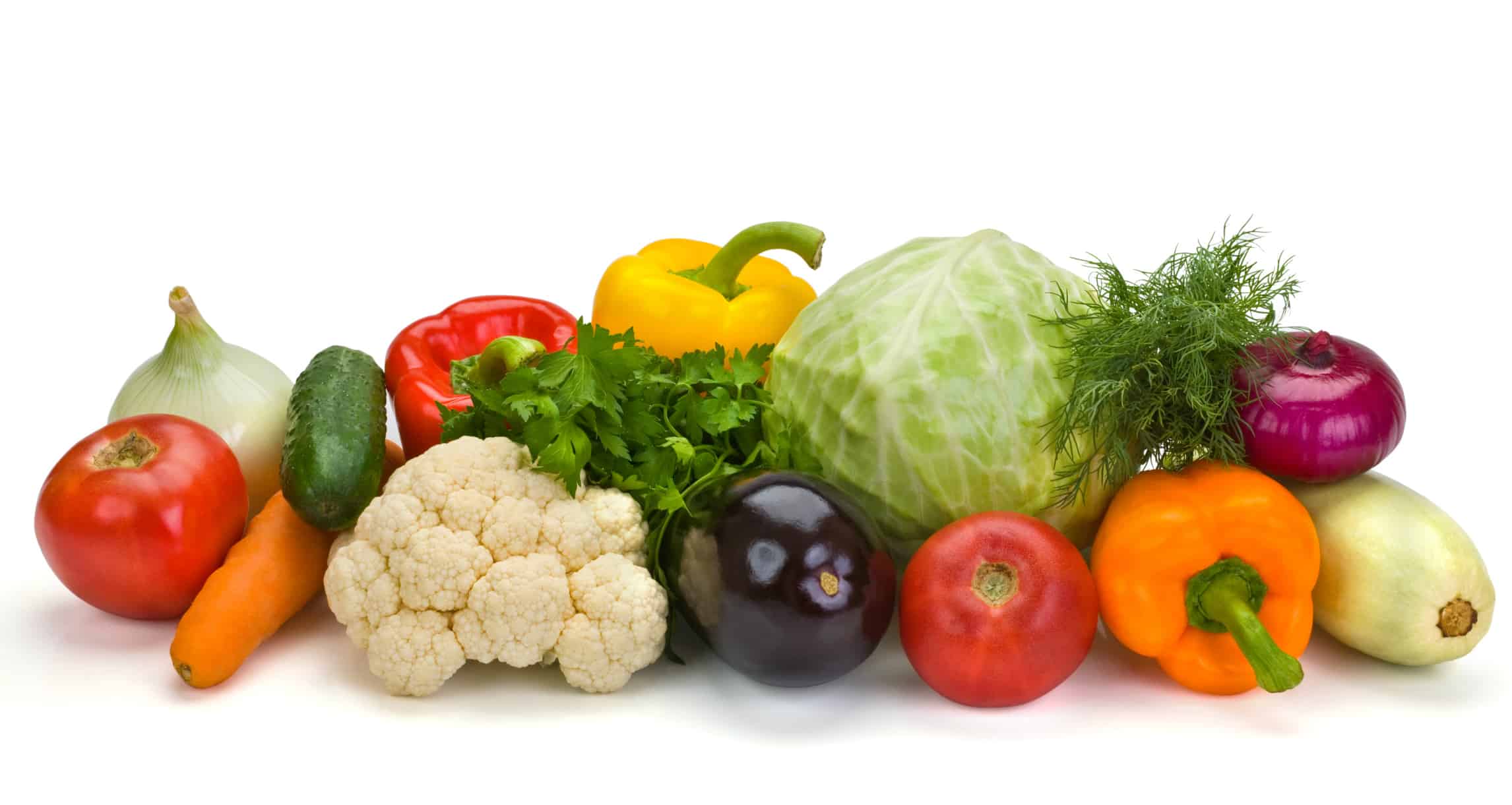
There aren't many dietary approaches that don't suggest you lot to consume more vegetables. It's also difficult to overeat non-starchy veggies because they have a very depression-calorie density and are high in fibre. Once again, due to the low energy density, the net carbohydrates are low in a lot of the non-starchy veggies and hence won't significantly raise your blood glucose levels.
| nutrient | % insulinogenic | insulin load (thousand/100g) | calories/100g |
| alfalfa | 19% | 1 | 23 |
| chicory greens | 23% | 2 | 23 |
| endive | 23% | 1 | 17 |
| escarole | 24% | 1 | 19 |
| coriander | 30% | 2 | 23 |
| beet greens | 35% | ii | 22 |
nuts and seeds
About nuts and seeds have a low percentage of insulinogenic calories though they accept a college free energy density are possible to overeat.

| nutrient | % insulinogenic | insulin load (m/100g) | calories/100g |
| macadamia nuts | 6% | 12 | 718 |
| pecans | 6% | 12 | 691 |
| coconut cream | 8% | 7 | 330 |
| coconut milk | eight% | 5 | 230 |
| brazil nuts | nine% | 16 | 659 |
seafood
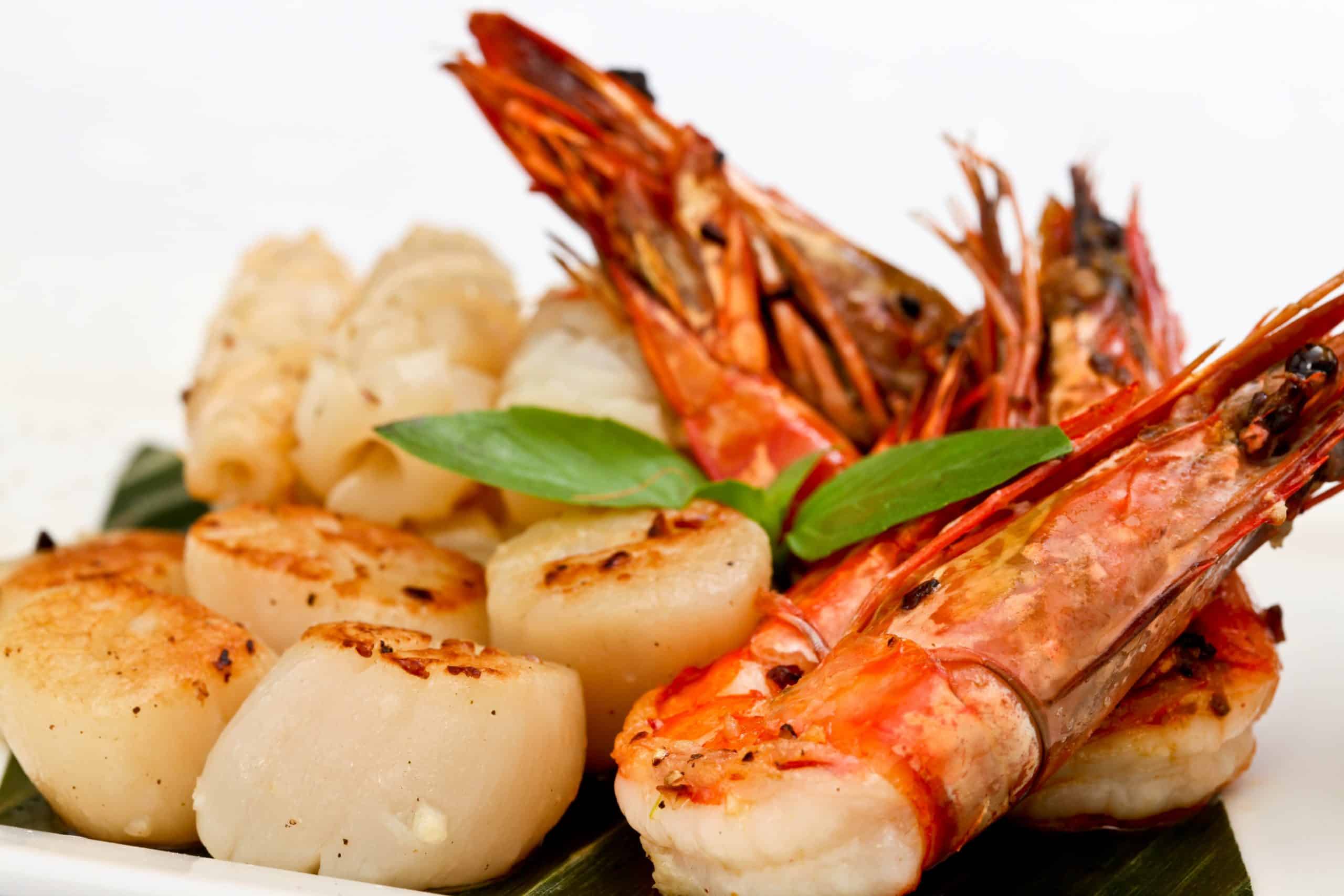
Seafood is a great source of essential fat acids which are hard to find in plant-based foods.
| nutrient | % insulinogenic | insulin load (g/100g) | calories/100g |
| mackerel | fourteen% | 10 | 305 |
| cisco | 29% | 13 | 177 |
| caviar | 33% | 23 | 264 |
| herring | 36% | 19 | 217 |
| sardine | 37% | nineteen | 208 |
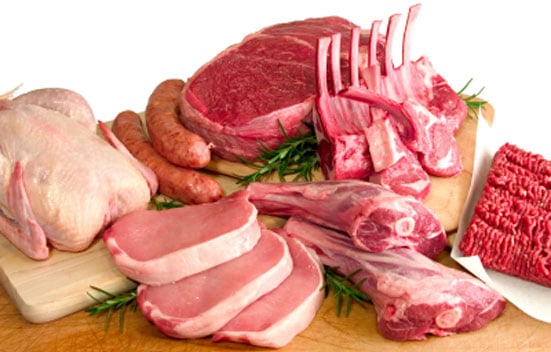
fauna products
| food | % insulinogenic | insulin load (g/100g) | calories/100g |
| bacon | 11% | eleven | 417 |
| bologna | 11% | 9 | 310 |
| sweetbread | 12% | 9 | 318 |
| liver sausage | xiii% | 10 | 331 |
| pepperoni | 13% | sixteen | 504 |
More
- The Nutrient Insulin Index
- What is Nutrient Density (and Why Does It Matter)?
- How to Opposite Your Insulin Resistance
- Big Fat Keto Lies (Introduction)
- Which NutriBooster Recipe Book is Right for Me?
merrittdidettioners.blogspot.com
Source: https://optimisingnutrition.com/most-ketogenic-diet-foods/
0 Response to "Naldã¢â‚¬â„¢s Fries Are Made With Beef Tallow"
Post a Comment